
Debunking Common Credit Repair Myths: What You Need to Know


Understanding Credit Repair
Credit repair is a topic surrounded by numerous myths and misconceptions. Many individuals seeking to improve their credit scores often encounter misleading information that can hinder their progress. Let’s explore some common myths and uncover the truth behind them.

Myth 1: Closing Old Accounts Helps Your Score
One frequent misconception is that closing old credit accounts can boost your credit score. In reality, closing these accounts can actually harm your score. This is because your credit history length is an important factor in determining your score. By closing old accounts, you shorten your credit history, which can negatively impact your score.
Instead, consider keeping these accounts open and using them occasionally to maintain a healthy credit history. Maintaining a mix of credit types can also be beneficial.
Myth 2: Paying Off Debts Erases Them from Your Report
Another common myth is that paying off debts will immediately remove them from your credit report. While paying off your debts is crucial, the history of these debts can remain on your credit report for up to seven years. This is especially true for negative items like late payments or defaults.
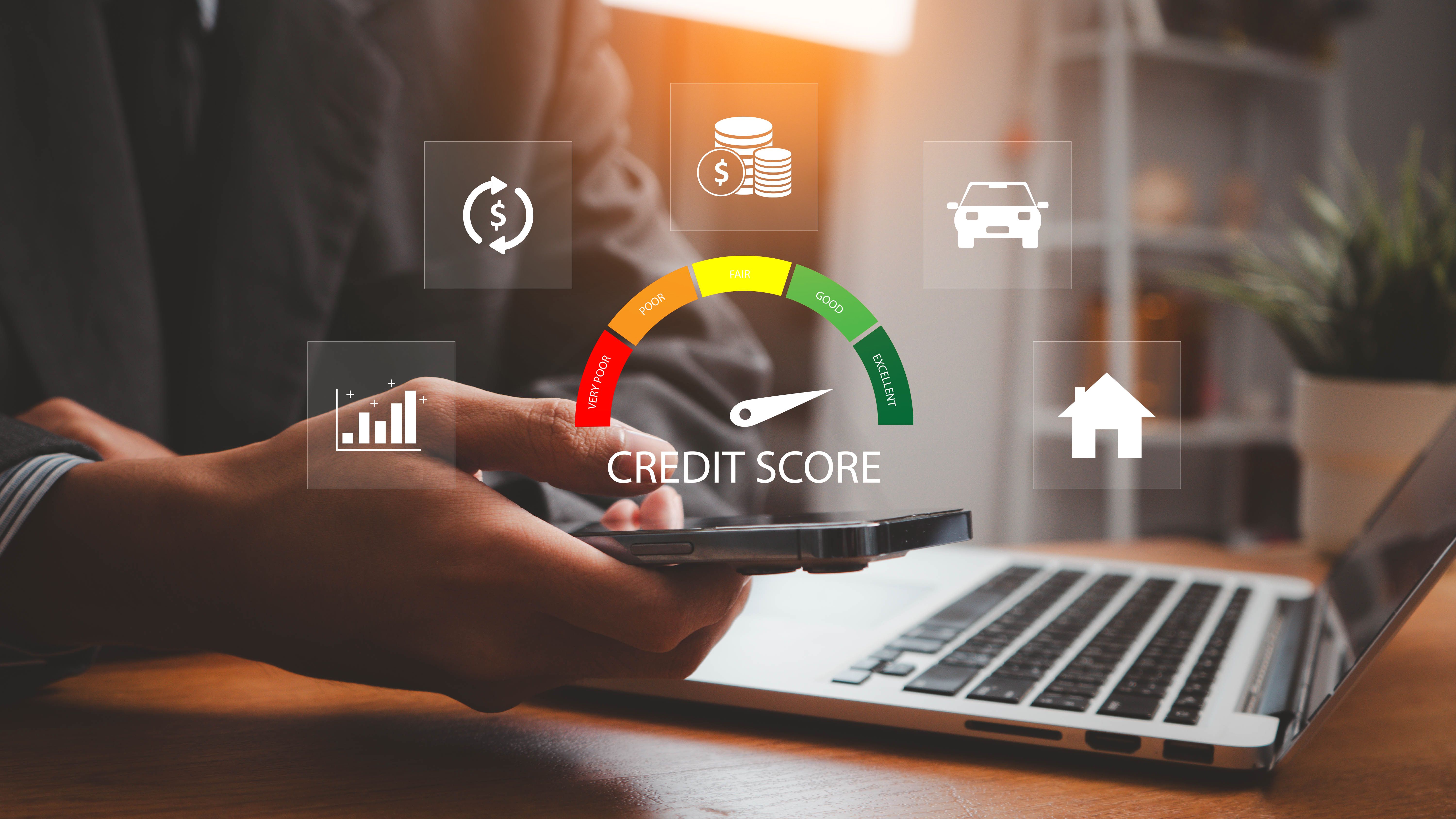
However, the good news is that as these items age, their impact on your score diminishes. Consistently making payments on time will gradually improve your credit standing.
Myth 3: All Credit Repair Companies Are Scams
Many people believe that credit repair companies are inherently scams. While it’s true that some organizations make false promises, there are legitimate companies that can help improve your credit. It’s essential to research and choose a reputable company with a proven track record.
- Check for reviews and ratings.
- Ensure they comply with credit repair laws.
- Be wary of companies that demand upfront fees.

Myth 4: You Can’t Fix Your Credit on Your Own
Lastly, some believe that improving credit is only possible with professional help. While professional assistance can be beneficial, many individuals successfully repair their credit on their own. Key steps include reviewing your credit report, disputing inaccuracies, and maintaining consistent payment habits.
Remember, improving your credit score takes time and effort, but it’s entirely achievable with the right approach and perseverance.