
DIY Credit Repair: Steps You Can Take at Home


Repairing your credit can seem daunting, but many steps can be taken from the comfort of your own home. By understanding your credit report and taking proactive measures, you can improve your credit score without professional help.
Understanding Your Credit Report
The first step in DIY credit repair is understanding your credit report. You can obtain a free copy from each of the three major credit bureaus once per year. Review these reports carefully to ensure all information is accurate. Look for discrepancies or errors that could negatively impact your score.
If you find any errors, dispute them immediately. You'll need to contact the credit bureau with documentation supporting your claim. Correcting these errors can lead to a quick boost in your score.
Pay Down Outstanding Debts
One of the most effective ways to improve your credit score is by paying down outstanding debts. Focus on high-interest debts first, as these can quickly spiral out of control. Consider using the snowball method, where you pay off the smallest debts first, gradually working your way up to larger ones.
Setting up a budget can help you allocate funds toward debt repayment. By consistently chipping away at what you owe, you’ll demonstrate financial responsibility to creditors.

Reduce Credit Utilization
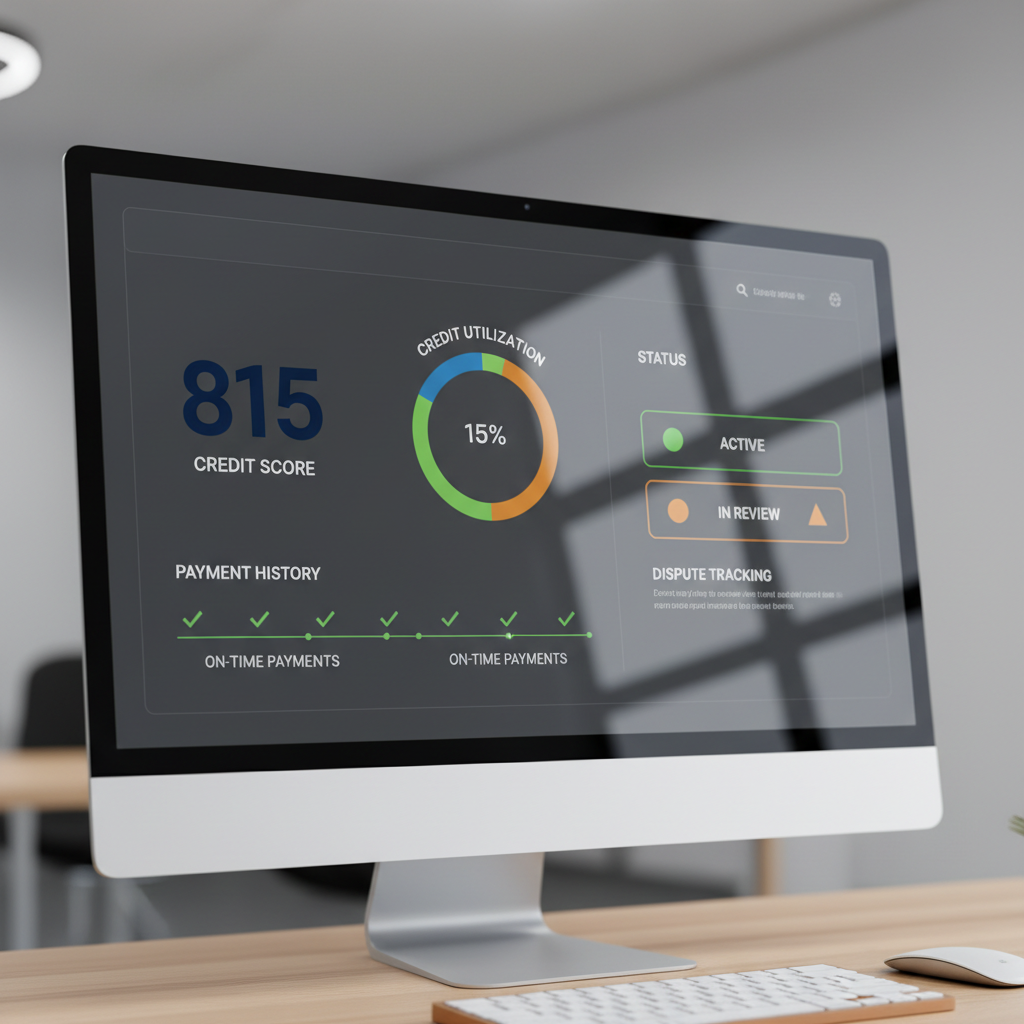
Credit utilization refers to the percentage of your available credit that you're using. It's a significant factor in determining your credit score. Aim to keep your utilization below 30%. If you're currently over this threshold, consider making smaller, more frequent payments throughout the month to keep the balance low.
Alternatively, you might request a credit limit increase from your creditors. If granted, this can lower your utilization rate, provided you don't increase your spending.
Establish a Positive Payment History
Payment history is one of the most critical components of your credit score. Ensure you make all future payments on time. Setting up automatic payments can help you avoid missed deadlines.
If you have accounts in collections, consider negotiating with creditors to settle these debts. Some creditors might agree to a payment plan or even remove the negative mark from your credit report once settled.
Limit New Credit Applications
Each time you apply for new credit, a hard inquiry is made on your report, which can temporarily lower your score. Limit new applications to only what is necessary, and avoid opening new accounts just to increase your available credit.
Instead, focus on maintaining your existing accounts and building a solid payment history. Over time, this will contribute to a healthier credit profile.

Monitor Your Progress
Regularly monitoring your credit report is essential for tracking your progress. Consider using a credit monitoring service that alerts you to changes in your report. This can help you spot unauthorized activity or errors quickly.
Remember that credit repair is a gradual process. By following these steps consistently, you can improve your credit score over time and achieve greater financial stability.