
DIY Credit Repair: Steps You Can Take Today


Understanding Your Credit Report
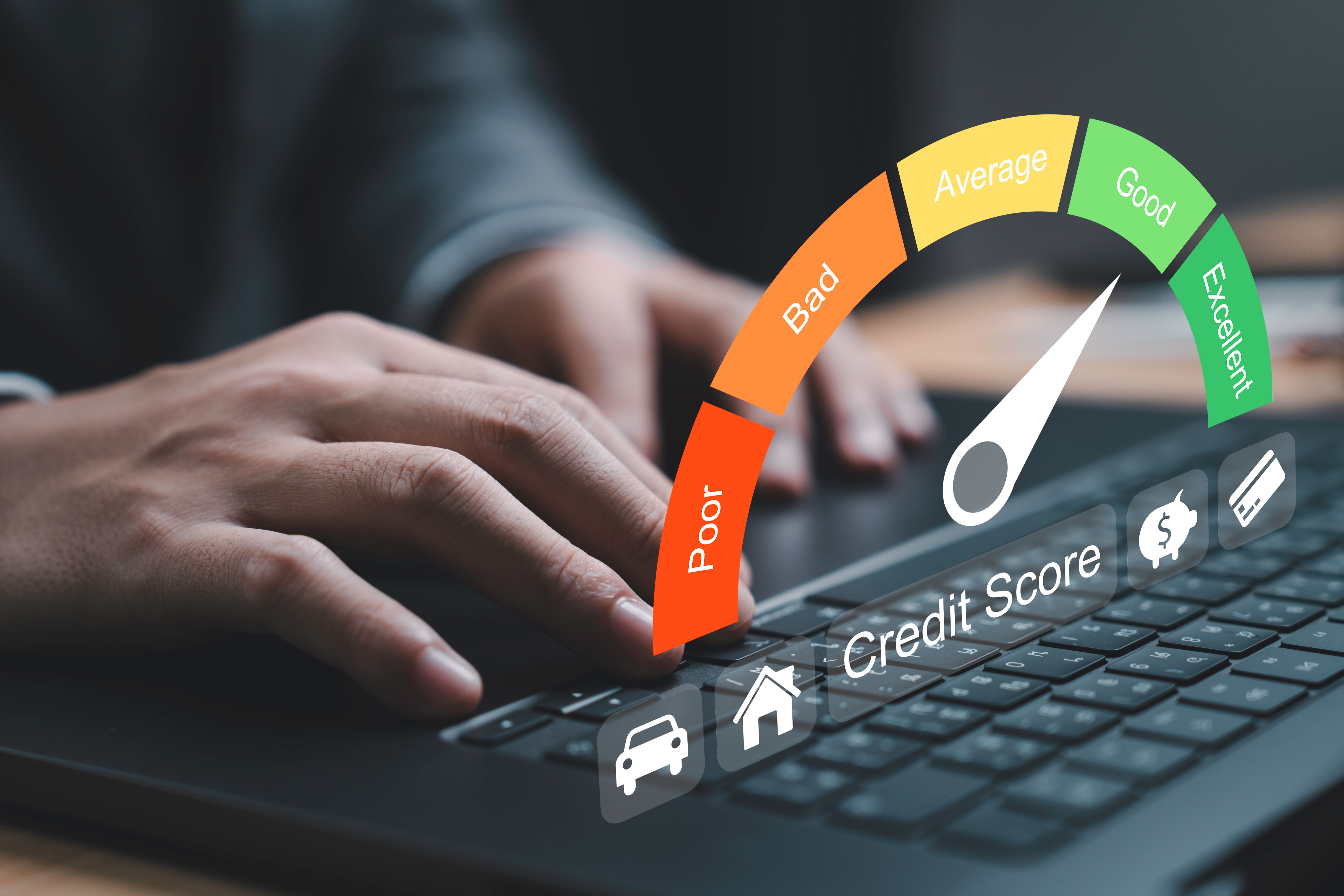
Before diving into credit repair, it's crucial to understand your credit report. This document is a detailed record of your credit history and is used by lenders to evaluate your creditworthiness. Obtain a free copy of your credit report from each of the three major credit bureaus: Equifax, Experian, and TransUnion. Review these reports carefully to ensure all information is accurate.
Look for errors such as incorrect personal information, accounts that aren't yours, or outdated data. If you find inaccuracies, dispute them immediately. This is the first step in repairing your credit and can lead to a significant improvement in your score.
Disputing Errors on Your Credit Report
If you spot errors on your credit report, you have the right to dispute them. Start by writing a dispute letter to the credit bureau that issued the report. Clearly identify each error, explain why it's incorrect, and request a correction. You can also include copies of any supporting documents.
Most credit bureaus allow you to file disputes online, which can speed up the process. After submitting your dispute, the bureau has 30 days to investigate and respond. If the dispute is resolved in your favor, they will update your report accordingly.
Paying Down Debt
High levels of debt can negatively impact your credit score. Focus on paying down outstanding balances, especially on credit cards. Begin with the accounts that have the highest interest rates to save money in the long term. This strategy is known as the avalanche method.
Alternatively, you can use the snowball method, which involves paying off the smallest debts first to build momentum. Choose the approach that best fits your financial situation and stick to it consistently.
Building Positive Credit Habits
Establishing good credit habits is key to maintaining and improving your score over time. Make all payments on time, as payment history is a significant factor in your credit score. Consider setting up automatic payments to ensure you never miss a due date.
Keep your credit utilization low by not maxing out your credit cards. Aim to use less than 30% of your available credit limit. If possible, pay off your full balance each month to avoid interest charges.

Monitoring Your Progress
Regularly monitoring your credit is essential to understand how your efforts are impacting your score. Consider using a credit monitoring service that alerts you to significant changes in your report. This can help you catch potential issues early and address them promptly.
Remember, repairing credit is a marathon, not a sprint. Stay patient and consistent with your efforts. Over time, you will see the results of your hard work reflected in your improved credit score.