
DIY Credit Repair Tips: What You Can Do Before Hiring a Professional


Understanding Your Credit Report
Before diving into DIY credit repair, it's crucial to obtain a copy of your credit report. You can request a free report annually from major credit bureaus. Review each section carefully to identify any errors or discrepancies that could negatively impact your score.
Pay special attention to debts, payment history, and personal information. Mistakes in these areas can unfairly lower your score, so ensuring accuracy is essential.
Dispute Inaccuracies
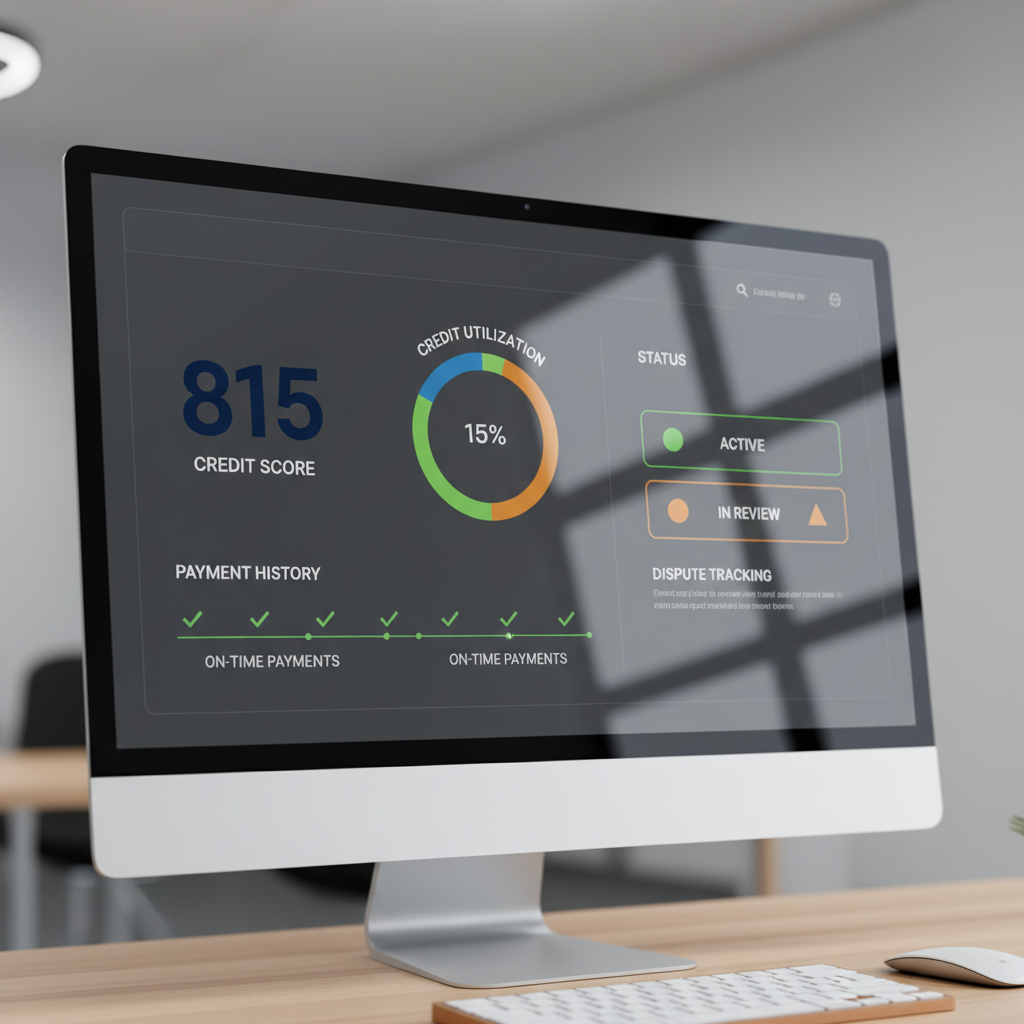
Once you've identified errors, the next step is to dispute them. Contact the credit bureau in writing, providing detailed information about the error and any supporting documentation. The bureau is required to investigate and respond within 30 days.
Keep copies of all correspondence and follow up if you do not receive a timely response. Correcting these inaccuracies can lead to an immediate boost in your credit score.
Pay Down Existing Debt
High credit card balances can significantly impact your credit score. Focus on paying down existing debt, starting with the highest interest rates. This strategy not only improves your score but also saves money on interest payments over time.
Consider using the debt snowball or avalanche method to effectively manage your repayments. Consistent payments demonstrate financial responsibility and improve your creditworthiness.

Establish a Budget
Creating a budget is a proactive step in managing your finances and avoiding future credit issues. Track your income and expenses to identify areas where you can cut back and allocate more funds toward debt repayment.
A well-planned budget helps you stay organized and ensures you're living within your means, preventing further debt accumulation.
Limit New Credit Inquiries
Each time you apply for credit, a hard inquiry is recorded, which can temporarily lower your score. Limit new credit applications while you're working on improving your credit to avoid unnecessary inquiries.
If you do need to apply for credit, try to do so within a short period to minimize the impact on your credit score.

Maintain a Healthy Credit Utilization Ratio
Your credit utilization ratio is the percentage of your total credit limit that you're using. Aim to keep this under 30% to maintain a healthy credit score. If possible, pay off balances in full each month to avoid interest charges and keep the ratio low.
Raising your credit limit can also help if you're unable to pay down your balance immediately, but ensure this doesn't lead to increased spending.
Consider a Secured Credit Card
If you're struggling to qualify for a traditional credit card, a secured credit card can be a useful tool. These cards require a deposit that serves as your credit limit and can help establish or rebuild your credit when used responsibly.
Make sure the card issuer reports to all three major credit bureaus to ensure your positive payment history is recorded.
Monitor Your Progress
Regularly monitoring your credit score and report is essential to track your progress. Many services offer free credit monitoring, alerting you to changes and helping you stay on top of your credit health.
Monitoring helps you catch any new errors quickly and ensures your efforts are reflected in your score improvement.